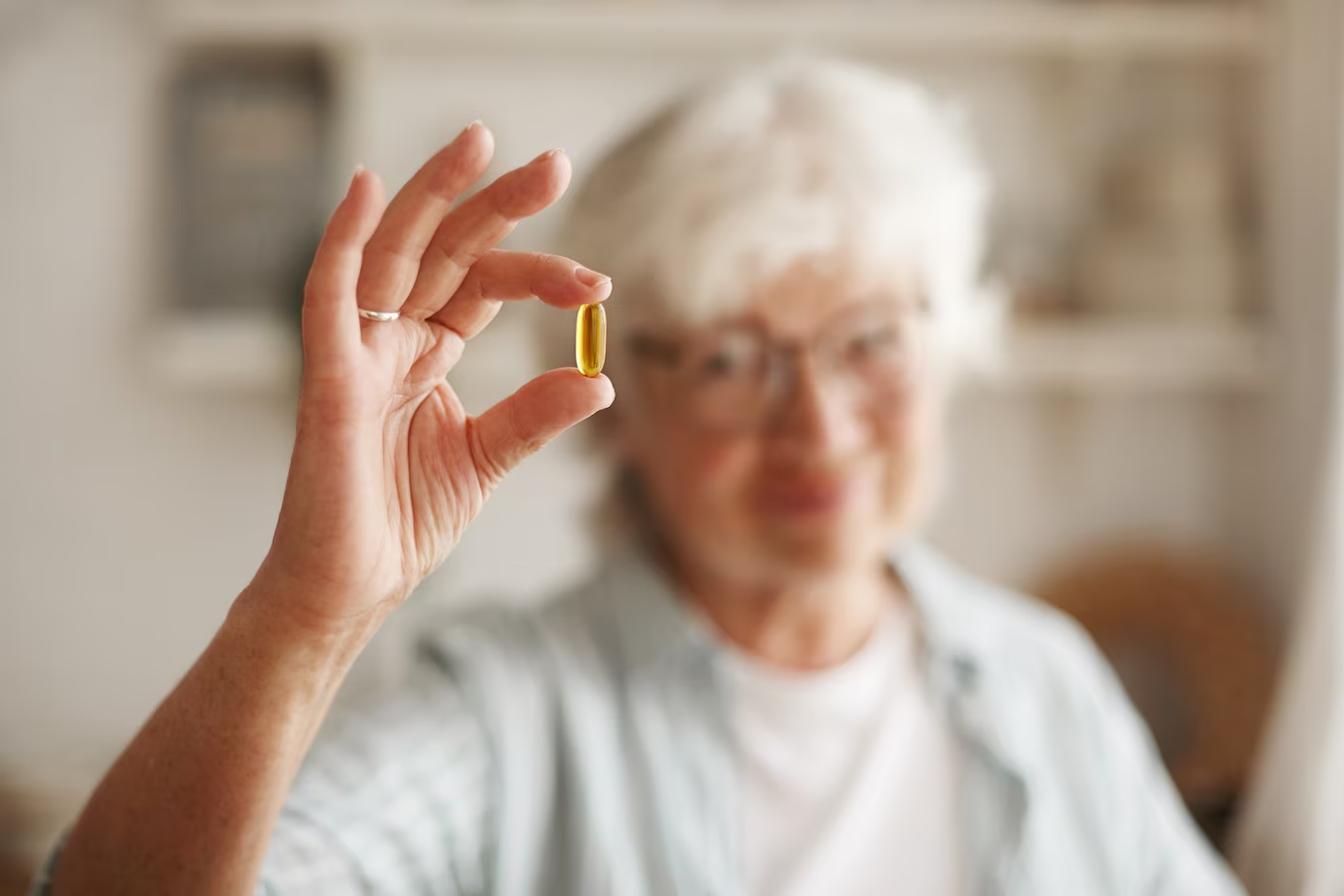
Menopause is a natural phase in a woman’s life that marks the end of her reproductive years. However, the transition can bring along a variety of symptoms such as hot flashes, night sweats, mood swings, and sleep disturbances. While there are medical treatments available, many women prefer to explore natural remedies for menopause to find relief without the potential side effects of conventional medicine. Here, we’ll explore some of the top natural remedies for managing menopause symptoms.
1. Herbal Supplements
Herbal supplements are among the most popular natural menopause treatments. Herbs like black cohosh, red clover, and dong quai have been traditionally used to ease menopause symptoms.
- Black Cohosh: Often recommended for hot flashes and night sweats, black cohosh is a staple in natural menopause relief. Research suggests that it may help balance hormone levels and reduce the severity of symptoms. ( Check this supplements with black cohosh ingredients)
- Red Clover: Known for its phytoestrogens, red clover may help manage hot flashes and improve bone health. Phytoestrogens are plant-based compounds that mimic estrogen in the body, potentially easing hormone-related symptoms.
- Dong Quai: Often called "female ginseng," dong quai is believed to help balance hormones and alleviate hot flashes, though more research is needed to confirm its effectiveness.
2. Dietary Adjustments
What you eat can have a significant impact on how you experience menopause. A diet rich in phytoestrogens, omega-3 fatty acids, and calcium can offer natural menopause relief.
- Phytoestrogens: Foods like soybeans, flaxseeds, and lentils are high in phytoestrogens, which can help balance hormone levels and reduce hot flashes.
- Omega-3 Fatty Acids: Found in fatty fish like salmon and mackerel, as well as in walnuts and flaxseeds, omega-3s can help reduce inflammation and mood swings.
- Calcium: As menopause can lead to a decline in bone density, it’s essential to consume calcium-rich foods like dairy products, leafy greens, and fortified foods to support bone health.
3. Regular Exercise
Exercise is a powerful tool for managing menopause symptoms. It can help reduce stress, improve mood, and even alleviate hot flashes.
- Aerobic Exercise: Activities like walking, swimming, or cycling can help keep your heart healthy, reduce weight gain, and improve overall mood.
- Strength Training: Lifting weights or doing body-weight exercises can help maintain muscle mass and bone density, which are crucial during menopause.
- Yoga and Meditation: These practices can reduce stress and promote relaxation, helping to alleviate mood swings and improve sleep quality.
4. Mind-Body Practices
Mind-body practices like acupuncture, massage, and meditation can provide holistic menopause relief by addressing both the physical and emotional symptoms.
- Acupuncture: This traditional Chinese medicine technique involves inserting thin needles into specific points on the body. It’s believed to help balance energy and may reduce hot flashes and anxiety.
- Massage Therapy: Regular massages can help reduce stress, alleviate muscle tension, and improve overall well-being during menopause.
- Meditation: Practicing mindfulness and meditation can help manage stress and mood swings, making it easier to cope with the emotional ups and downs of menopause.
5. Essential Oils
Aromatherapy using essential oils can offer natural menopause relief by promoting relaxation and balancing hormones.
- Lavender Oil: Known for its calming effects, lavender oil can help reduce stress and improve sleep quality.
- Peppermint Oil: Applying diluted peppermint oil to the skin can provide a cooling sensation, which may help with hot flashes.
- Clary Sage Oil: This oil is often used to balance hormones and may help reduce the frequency and intensity of hot flashes.
6. Hydration and Sleep
Staying hydrated and getting enough sleep are crucial for managing menopause symptoms naturally.
- Hydration: Drinking plenty of water can help alleviate symptoms like dry skin and reduce the frequency of hot flashes.
- Sleep Hygiene: Maintaining a consistent sleep schedule, creating a comfortable sleep environment, and practicing relaxation techniques before bed can improve sleep quality, which is often disrupted during menopause.
Conclusion
Menopause is a unique experience for every woman, and finding the right combination of natural remedies for menopause can take some time. Whether you choose herbal supplements, dietary changes, or mind-body practices, it’s essential to listen to your body and consult with a healthcare professional before starting any new treatment. With the right approach, you can navigate menopause with greater ease and find relief from its challenging symptoms.
Remember, while these remedies can be effective, they are not a substitute for professional medical advice or treatment. Always speak with your healthcare provider before trying new supplements or making significant lifestyle changes.
Check this supplements with natural ingredients that help boost your energy and improved your mood and mental health.